The 48 Hours Before a Shoot That Clients Never See
The shoot day gets all the attention. The crew, the lights, the talent, the energy — that's the part a brand is present for. But the images that come out of a great shoot day are almost always the product of the 48 hours before it. The invisible work. The preparation that nobody sees but that everyone experiences in the final images.
This is what happens in those 48 hours.
48 Hours Out: The Final Tech Check
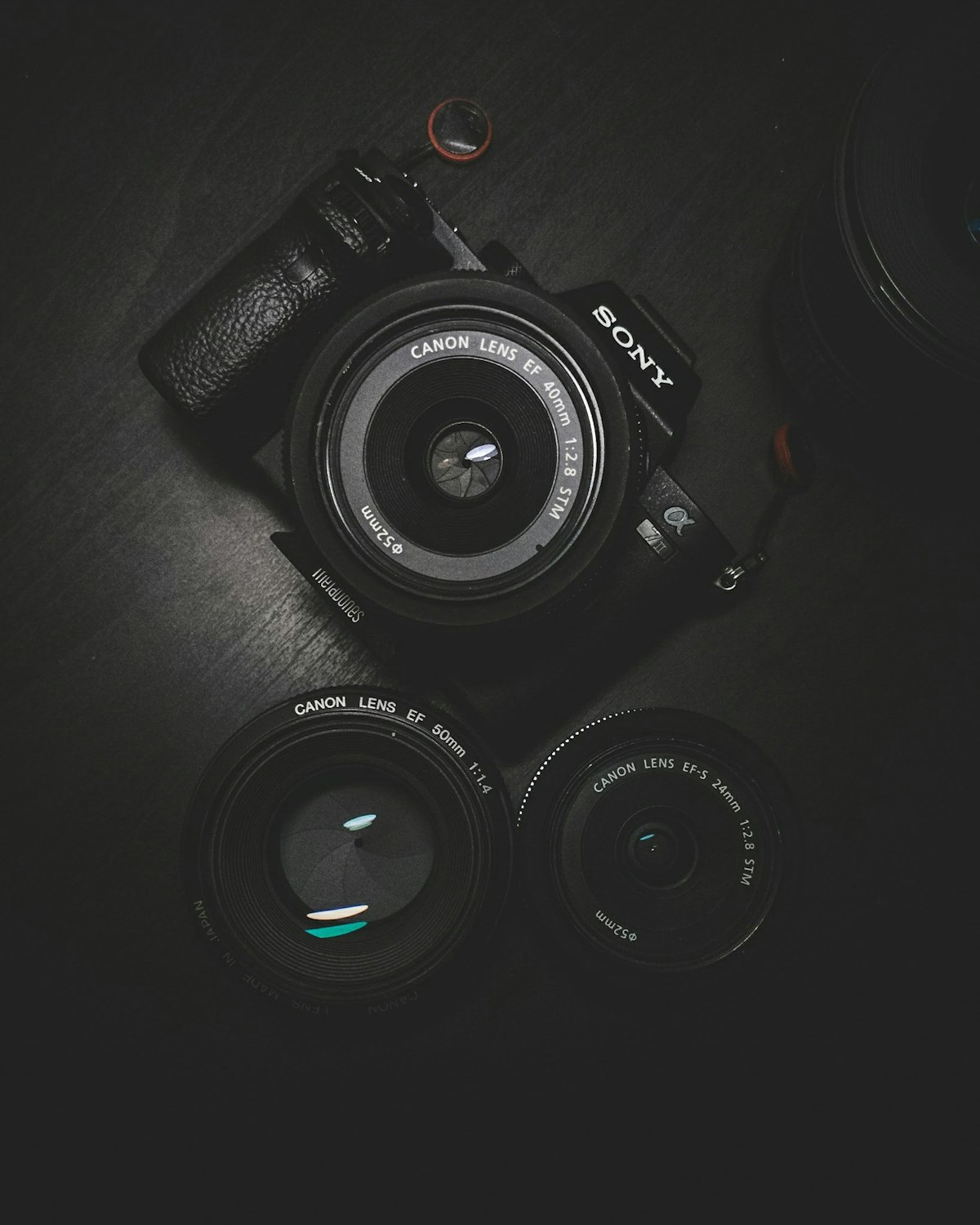
Two days before any advertising campaign shoot, I run a complete equipment check. Not a glance-in-the-bag check — a full operational test of every piece of kit that will be on set.
Camera bodies are tested for shutter accuracy and sensor cleanliness. Lenses are checked for autofocus responsiveness. Tethering cables — the physical connection between the camera and the laptop that allows the entire crew and client to see images in real time — are tested and backed up with spares. Batteries are charged and counted. Flash units are fired and reconfigured for the shoot's requirements.
This takes three to four hours. It is not exciting. It is also non-negotiable.
The alternative is discovering on set — with a full crew on the clock, a client present, and talent in hair and makeup — that a cable is faulty, or a battery is at 12%, or a flash unit isn't syncing. Those discoveries cost time, money, and occasionally the whole day.
Mario Testino has spoken about the obsessiveness of his preparation — that the creative freedom he was known for on set was only possible because the technical side was locked down before the day began.
36 Hours Out: The Final Brief Review
The day before the shoot, I do a complete re-read of the creative brief alongside the shot list. Not a skim. A detailed read, matching every required shot to the location conditions, the light at that time of day, and the time budgeted in the schedule.
This is where problems reveal themselves before they happen.
A common discovery: the brief requires a hero shot with "beautiful natural light" for a session scheduled at 2pm in a west-facing studio in Mumbai in May. At 2pm in that location, the light will be harsh and directional. This needs a solution — artificial light to supplement, a location adjustment, or a timing shift — and discovering it now means it can be fixed. Discovering it on the day means the first two hours of the shoot are spent solving a problem that should have been solved yesterday.
24 Hours Out: Crew Briefing
Every person on the crew receives a briefing the day before the shoot. Not a shoot-day WhatsApp with the call time — a briefing that covers:
The creative intent. What is this campaign trying to achieve? What does the brand want the viewer to feel? This is information that stylists and hair and makeup artists rarely receive — and it changes everything. A stylist who understands the campaign is "aspirational but accessible, not cold luxury" will make different decisions than one working from a wardrobe list alone.
The shot list and priority order. Which frames are hero shots that cannot be compromised? Which setups are stretch goals if time allows?
The schedule. What time does each element need to be complete? When is the hardest deadline?
A well-briefed crew is the difference between a shoot day that moves with energy and one that stalls at every transition.
12 Hours Out: The Mental Walk-Through
The night before every major shoot, I do a complete mental walk-through of the entire day. I start at call time and move through every setup on the shot list, visualising the light, the framing, the energy I want from the talent for each look, the transitions between setups.
This is the practice that separates a photographer who is reactive on a shoot day from one who is decisive. The difference between those two states is visible in the images. Decisive photographers get expressions that reactive photographers miss because they were still thinking about the framing.
Morning of the Shoot: The First 90 Minutes
Lighting is set up and tested before talent arrives. This is non-negotiable. A model's time is expensive, their focus is finite, and asking talent to stand under lights while you figure out a setup is a guaranteed way to lose energy from the room. By the time talent walks in, the lights are on, the camera is tethered, and the first test frames have confirmed the setup is working.
The set is dressed and reviewed against the mood board. Any client present gets a brief walk-through of the day's schedule and the decisions they might be asked to make.
Why This Matters for the Images
The preparation in the 48 hours before a shoot doesn't appear in the images directly. What appears is its effect: the photographer who arrives on set unhurried and clear. The crew that moves with confidence. The talent who isn't being directed by someone figuring it out as they go. The client who sees the first tethered image and already knows it's working.
Great advertising photography is not a coincidence. It is the accumulated result of dozens of decisions made before the shutter was ever pressed.
FAQ
What is a location recce and why is it important?
A pre-shoot visit to assess light conditions, access logistics, permit requirements, and backup plans. Should happen at the same time of day as the planned shoot. Skipping the recce is one of the most common ways shoot days get derailed.
How much does crew size affect preparation complexity?
Each additional crew member multiplies the coordination requirements. Larger campaigns require longer lead times — not shorter ones.
What should a brand provide before a shoot?
Finalised creative brief with visual references, shot list with priority order, brand guidelines, confirmed talent details, and a clear point of contact for day-of questions. All of this, ideally one week before the shoot.
Harnesh Joshi is an advertising and fashion photographer based in Lower Parel, Mumbai. View the portfolio or get in touch to discuss your next campaign.